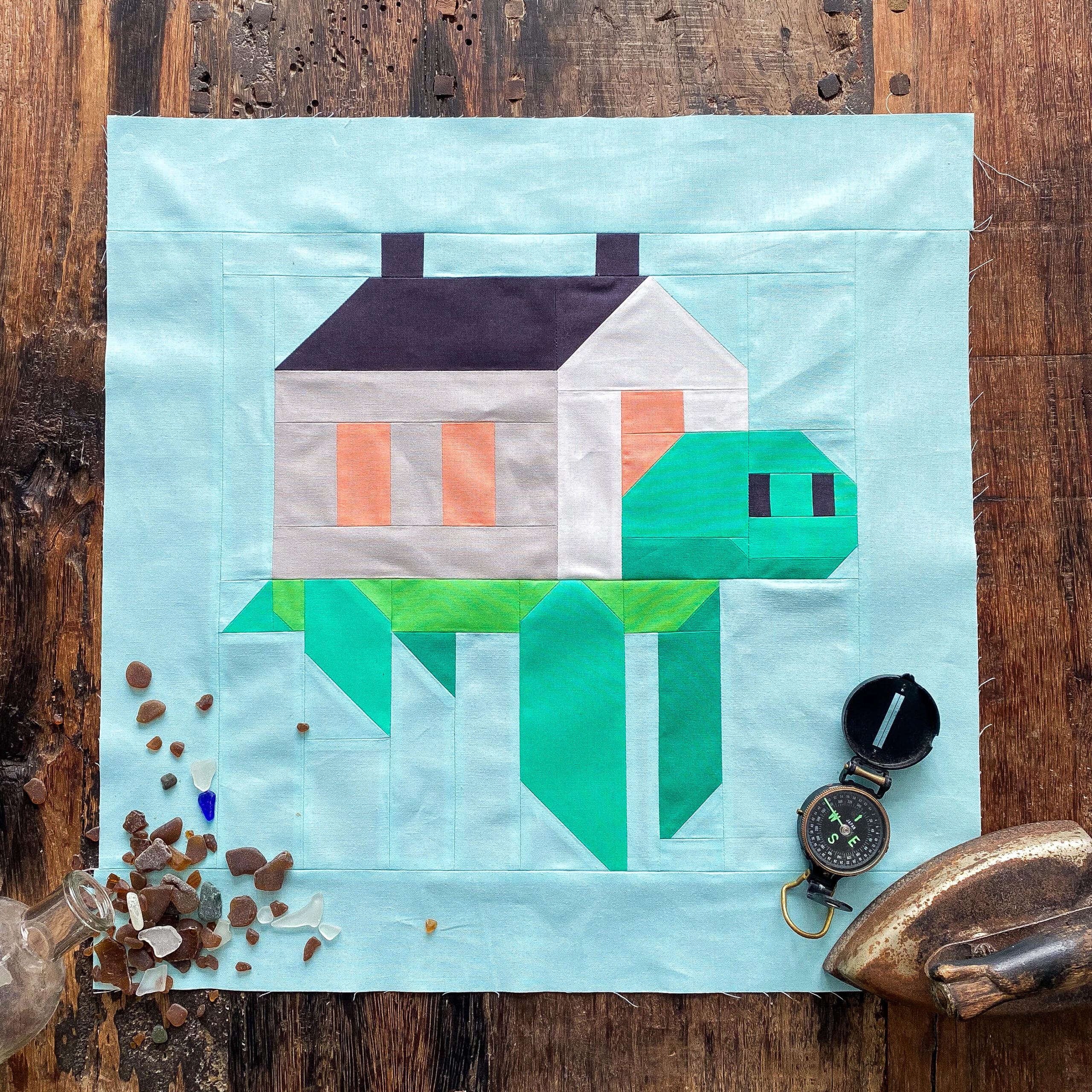
Slow and steady wins the race, but a turtle with a house on his back? That’s just smart real estate! This quirky 20” x 20” block is the perfect size for a whimsical wall-hanging, tote bag or pillow. Before you dive into the deep end, here is everything you need to know to ensure your turtle stays on track.
The Shell-come Home block draws from John’s lifelong fascination with creatures that carry their sanctuaries on their backs. This childhood curiosity found new relevance as global warming brings the Leatherback sea turtle further north than ever recorded—reaching the shores of John’s home. The pattern pays tribute to nature’s resilience in the face of man-made challenges, offering a heartfelt reminder that “home” is a portable state of mind. It celebrates the strength of the wanderer and the comforting truth that home is where you make it—and you can always take it with you.
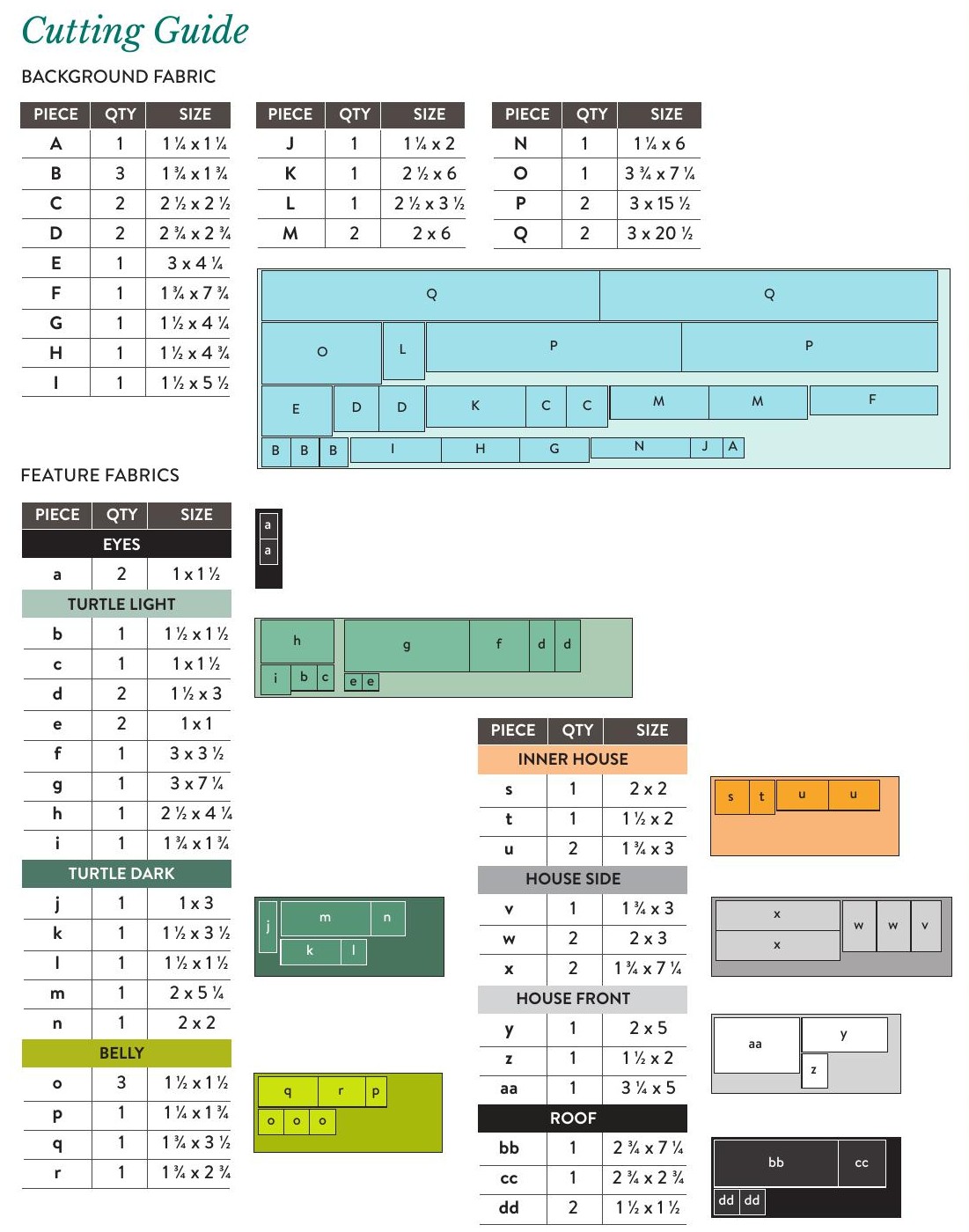
Stay Organized
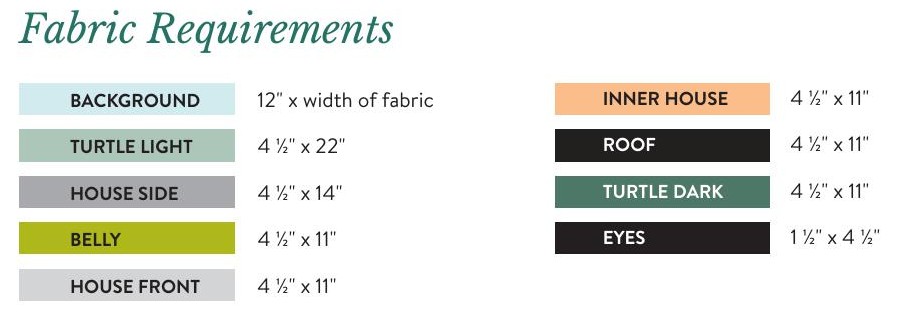
With many pieces in play, labeling is your best friend. John recommends using adhesive labels as you cut:
- UPPERCASE letters: Background fabric.
- lowercase letters: All other fabrics.
Accuracy is Key
All measurements are in inches and include a 1/4” seam allowance. In a detailed block like this, consistency is everything. Test your seam allowance before starting to ensure your finished turtle doesn’t outgrow its “shell.”
Press for Success
To reduce bulk at the intersections, press all seams open. For best results, try a wool pressing mat, a wooden clapper, and a fabric treatment like the Acorn Easy Press Fabric Treatment™ on seams.
The “Stitch & Flip” (Snowballing) Technique
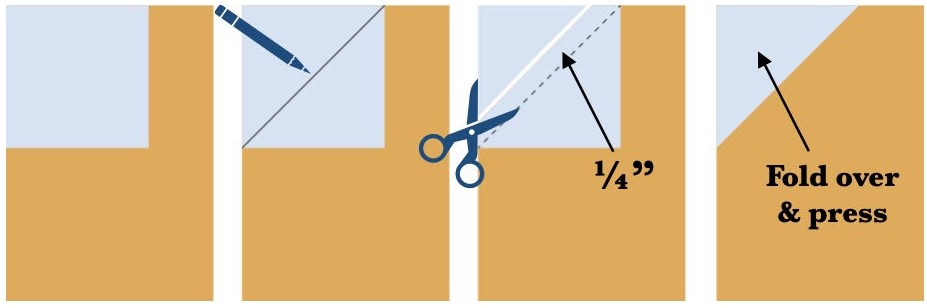
You’ll see this technique—also known as snowballing corners—used often to create shapes beyond basic squares and rectangles:
- Place your small piece on the corner of a larger piece, right sides together.
- Draw a diagonal line from corner to corner and stitch directly on the line.
- Trim the excess fabric 1/4” away from the seam toward the corner.
- Flip the fabric over and press the seam open.
=>CLICK TO DOWNLOAD THIS PATTERN AS A PDF
BLOCK ASSEMBLY
Follow the Stars
Keep an eye out for stars (*) in the diagrams and text. These indicate points that need to be matched to ensure the design flows perfectly.
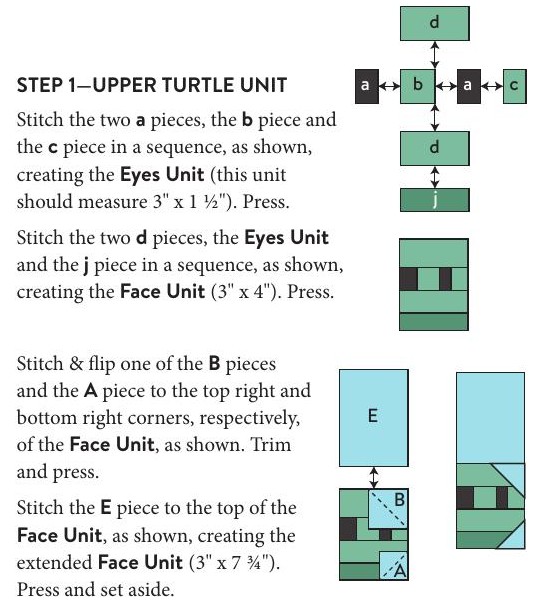
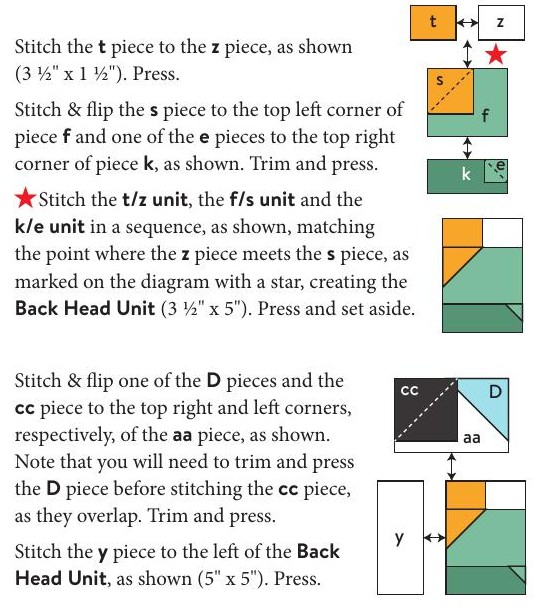
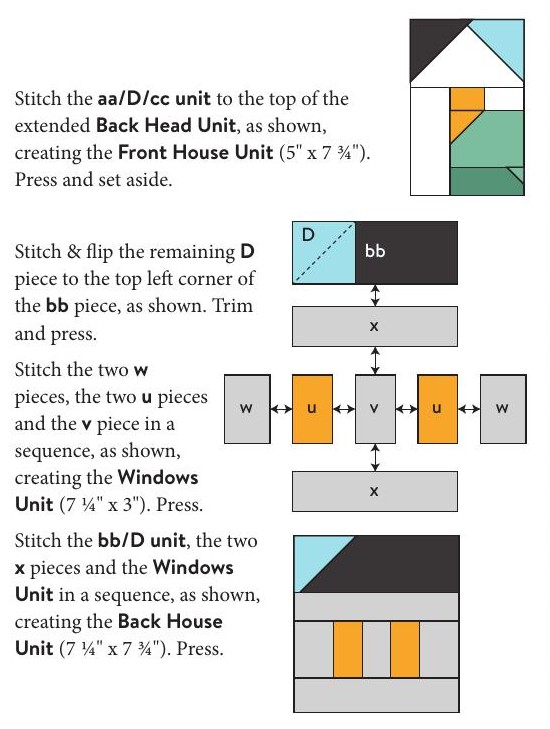
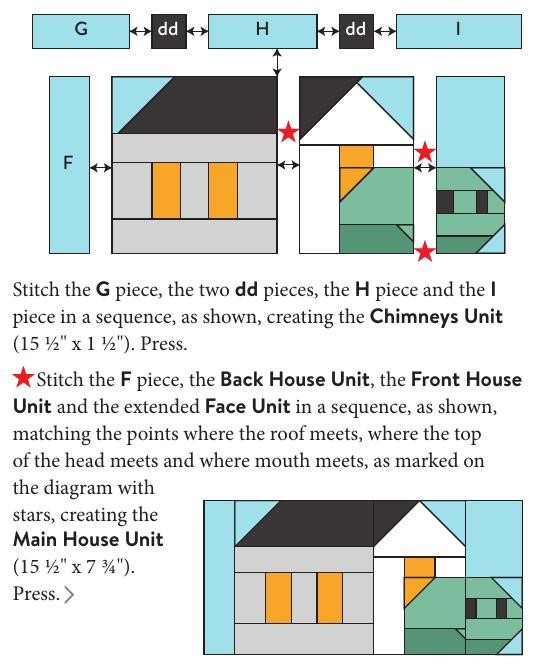
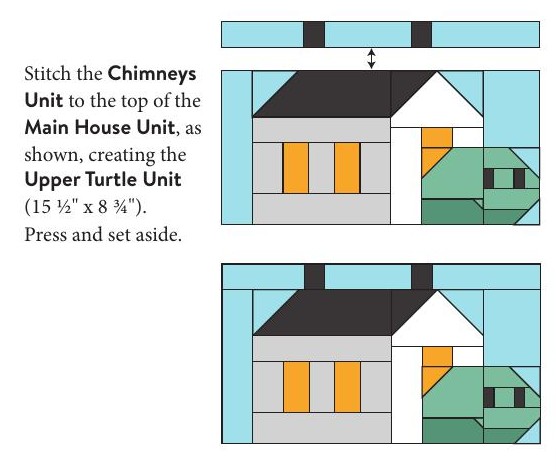
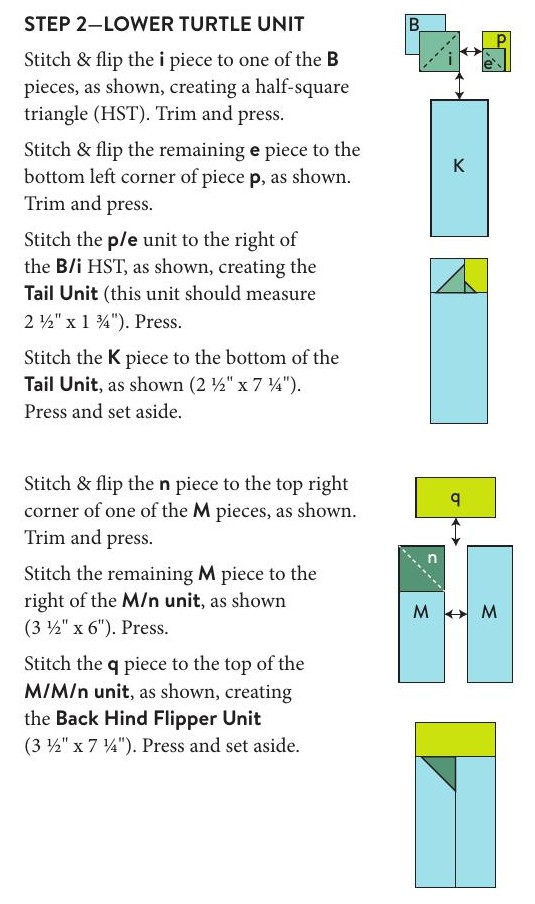
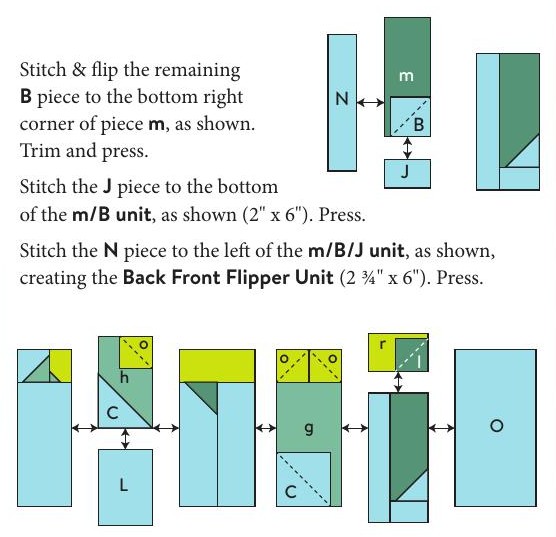
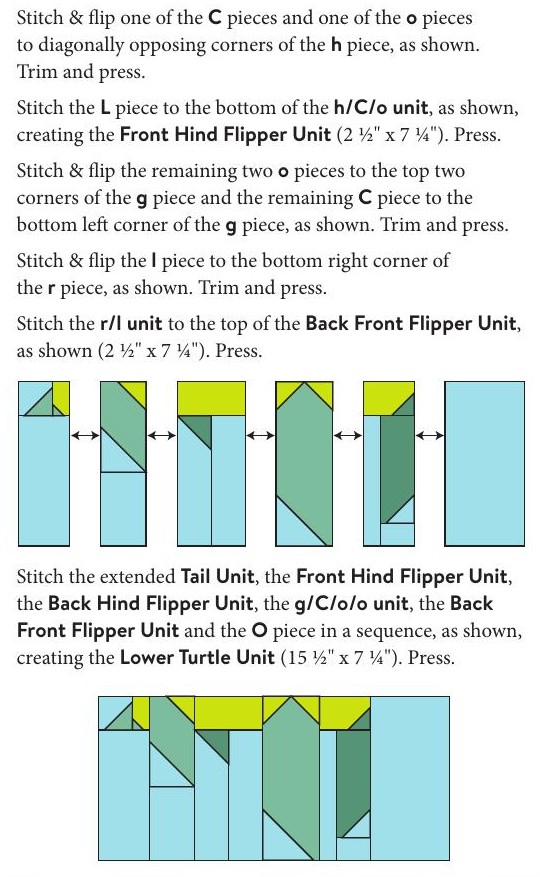
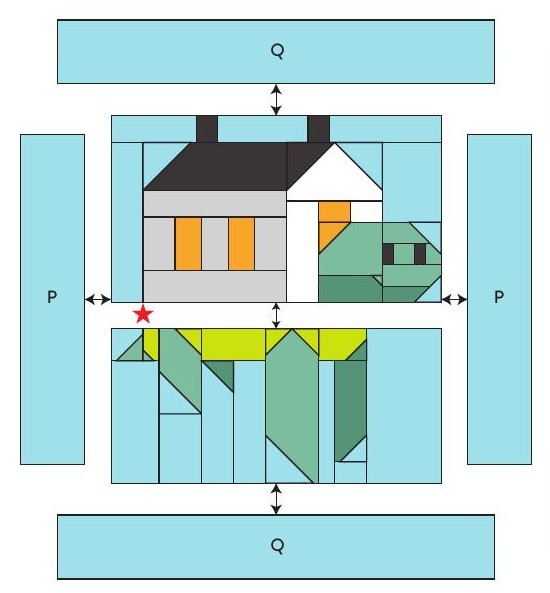
Stitch the Bottom Turtle Unit to the bottom of the Upper Turtle Unit, as shown, matching the point where the tail meets the house, as marked on the diagram with a star, creating the Main Turtle Unit (15 ½” x 15 ½”). Press.
(Star) Stitch the two P pieces to either side of the Main Turtle Unit, as shown. Press. Stitch the two Q pieces to the top and bottom of the extended Main Turtle Unit, as shown. Press.
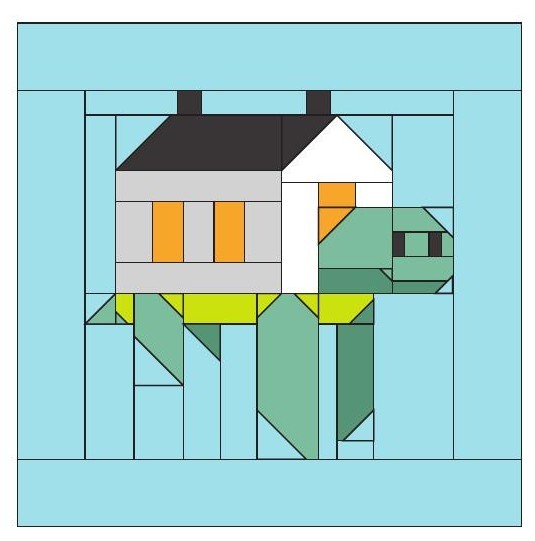
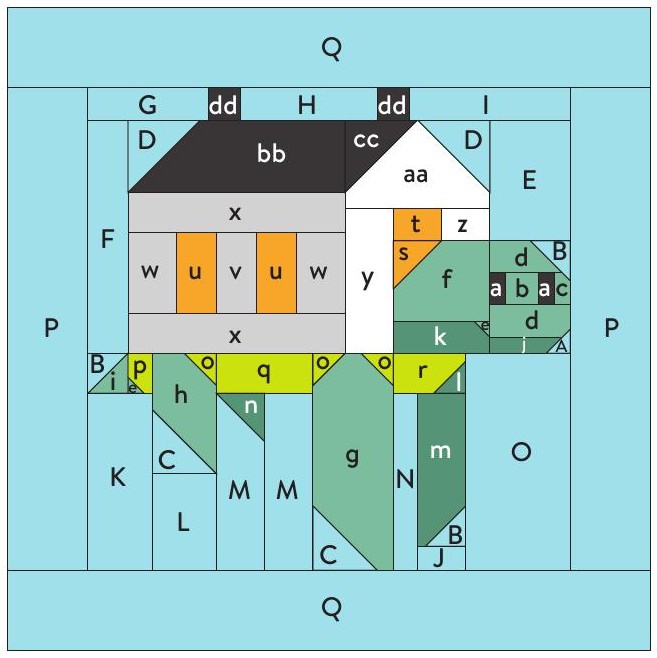
This completes the Shell-come Home Block (20 ½” x 20 ½”). Press.
Next, you can add borders to the stand alone block for a wall hanging or other decorative use. As another option, you can make it part of a larger quilt by adding complementary blocks. Either way, feel free to share your finished design with Canadian Quilter by emailing photos and the story of your Shell-come Home journey to Editor Lois.Tuffin@CanadianQuilterAdministration.com.
About the pattern designer
John MacPhail founded the Art East Quilting Co. on Cape Breton Island. A lifelong maker with a background in garment construction, John’s “accidental” discovery of quilting has evolved into a global brand. He has published more than 40 original patterns across six continents. Known for his unique pictorial quilts and quirky animals, John fosters a vibrant online community, hosting international sew-alongs for thousands of makers worldwide. Often collaborating with industry leaders, such as Riley Blake Designs and FreeSpirit Fabrics, John inspires the quilting world with his modern, artful approach.
We are always on the lookout for pattern designers to feature in these pages. If you have a design to share, get in touch with our editor. CQA/ACC pays competitive rates for pattern designs and loves to tap into new talent.